Sortation Line Notes · field notes
The rate is
the line,
not the machine.
This desk writes about the machines that decide what happens after an order is picked: the sorters, the diverts, the chutes and the walls that turn a pick into a parcel.
The notes are written for operations managers, integrators and maintenance teams. They describe the rates that are reachable rather than the rates on the datasheet, and they put the derating factors where a planner can find them.
No sponsorship, no affiliate links. Where a note points to a product, it is the component the note is describing.
Eight field notes
2026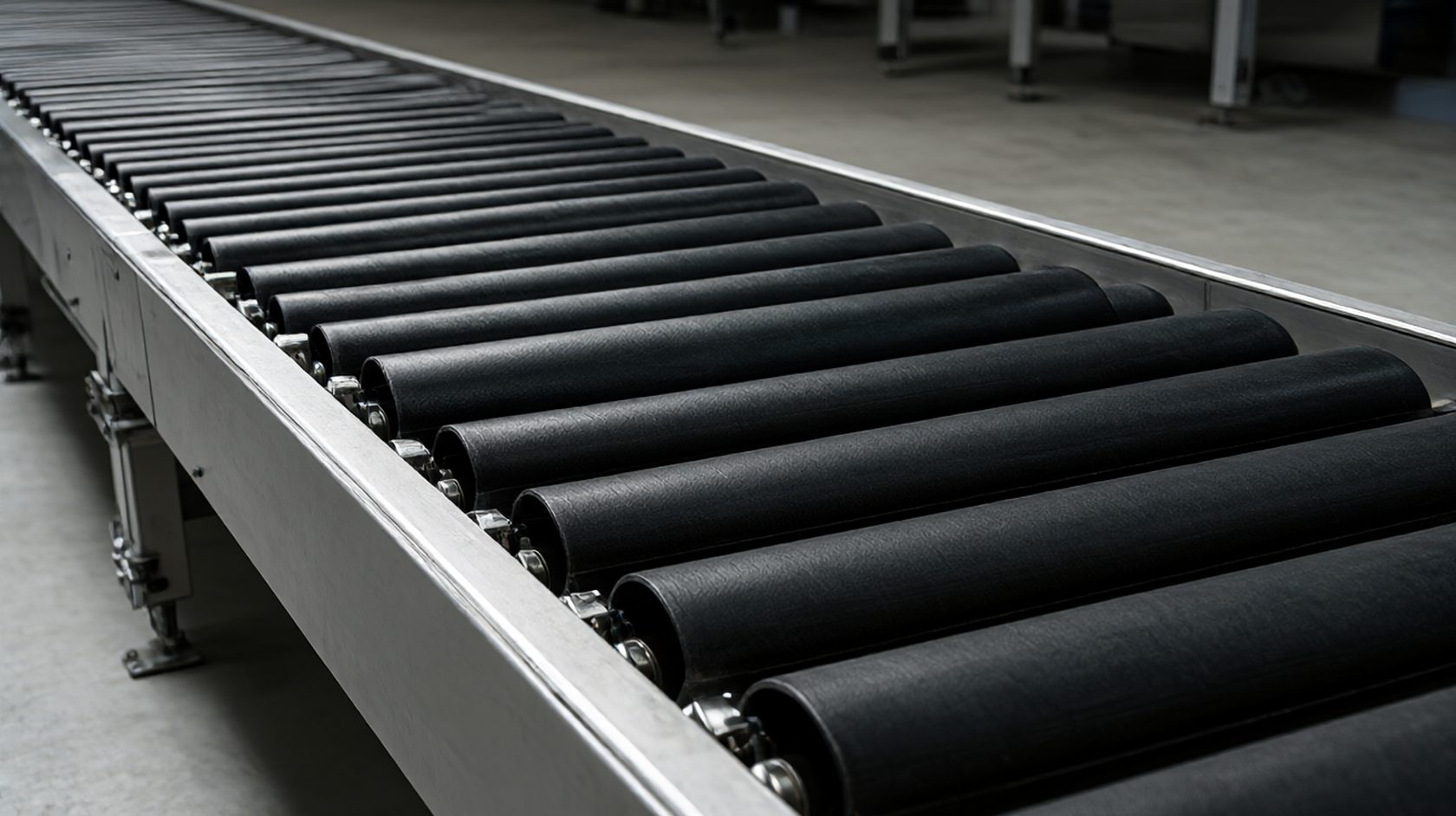
Narrow belt sorters: how the divert actually works
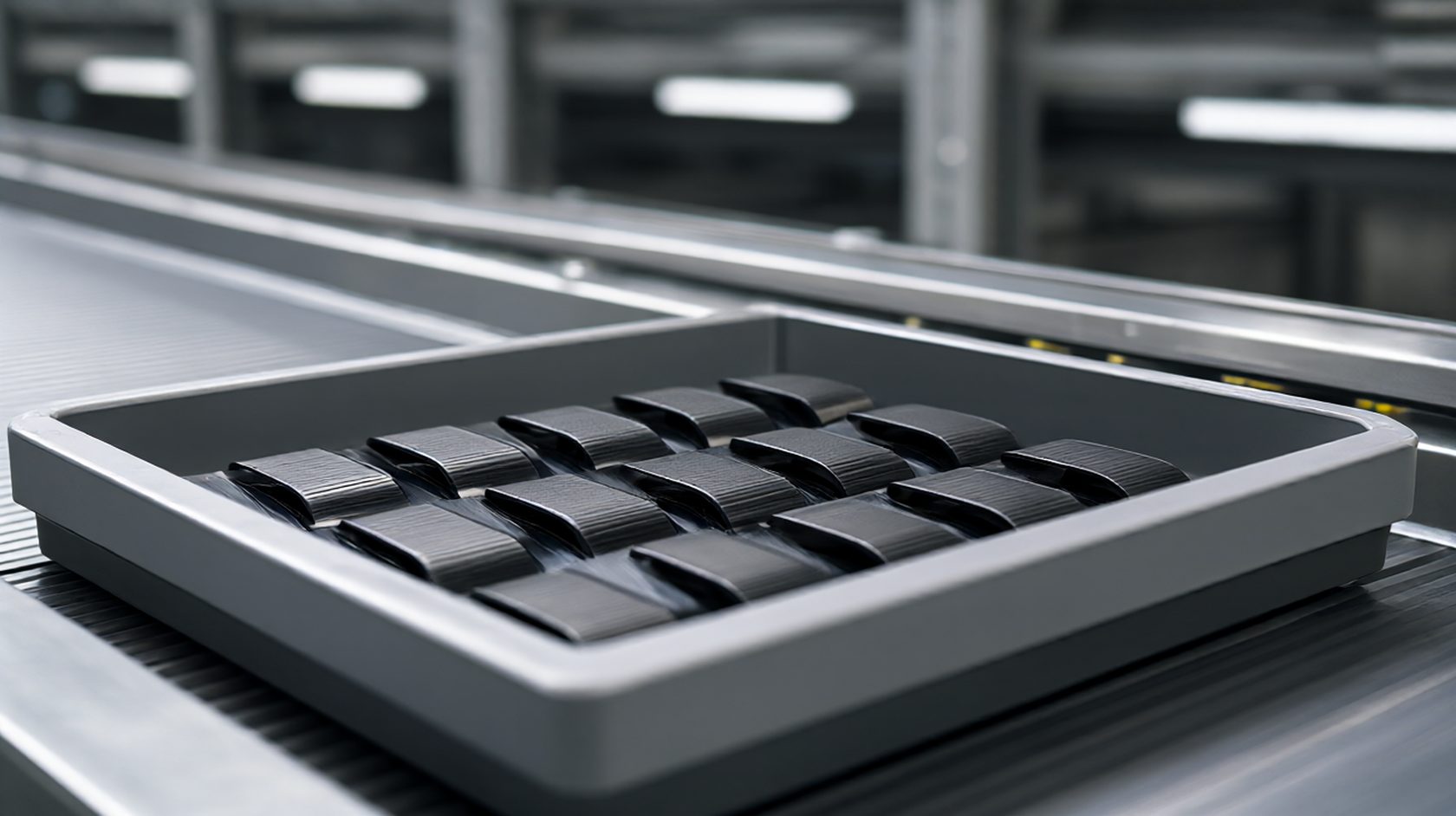
A narrow belt sorter moves a parcel with a row of thin belts, then lifts and angles them to push it sideways. The transfer is short, the pitch is tight, and the reliability lives in the gap between the belts and the chute.
Cross-belt sorters: throughput is an induction problem
A cross-belt sorter can discharge at extraordinary rates, but the line only runs at the speed its induction can feed it. The cells are not the constraint; the gap between parcels on the infeed is.
Pop-up wheel sorters: the answer for mixed cartons and bags
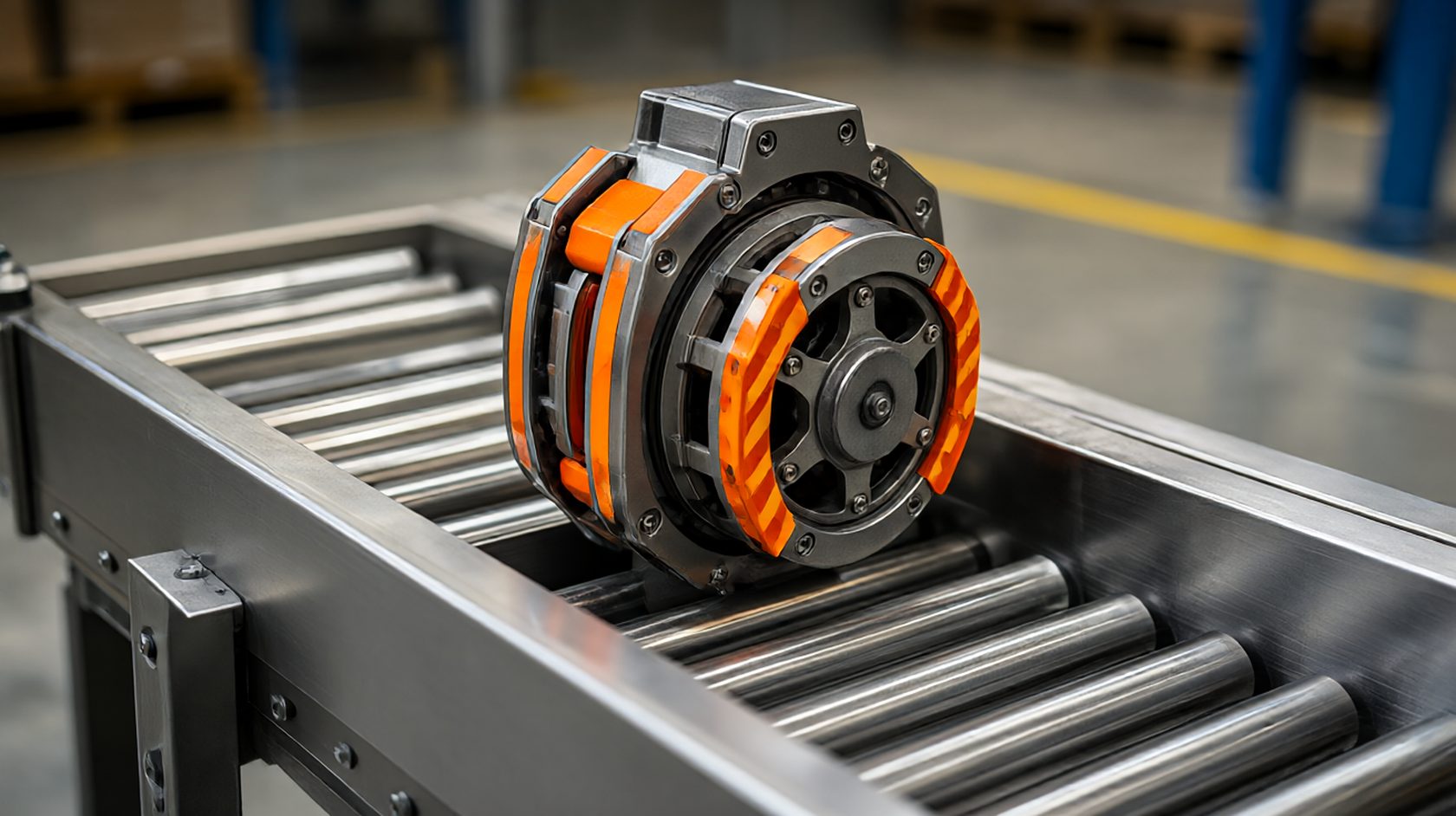
Wheels that rise through a roller bed can divert almost anything that has a flat enough face to ride on them. That flexibility is why the technology survives next to far faster sorters.
Put walls: how batching changes the pick path
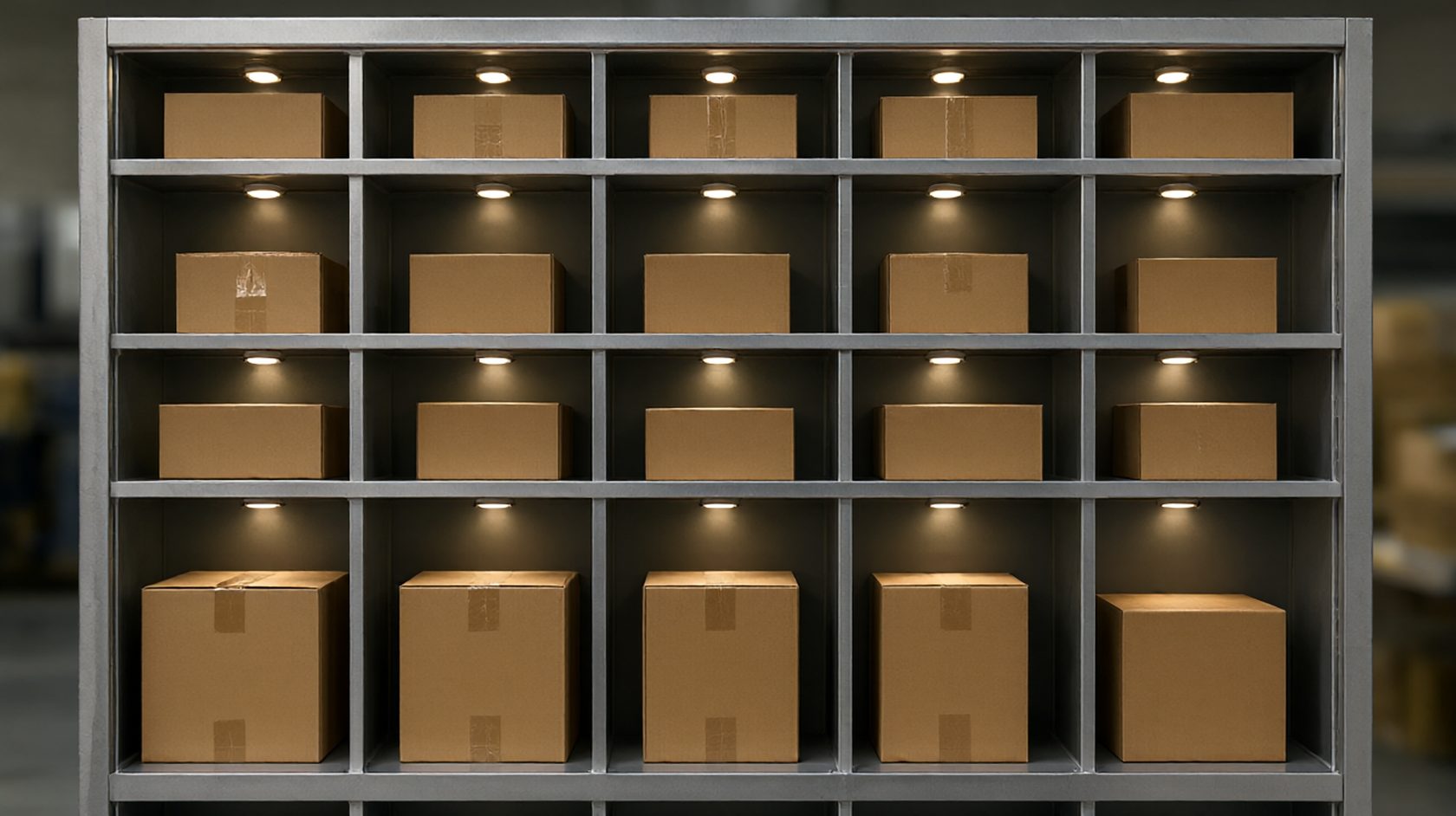
A put wall is a rack of cubbies that turns one pick into many orders. The wall is simple; the discipline it imposes on the pick path and the order release is not.
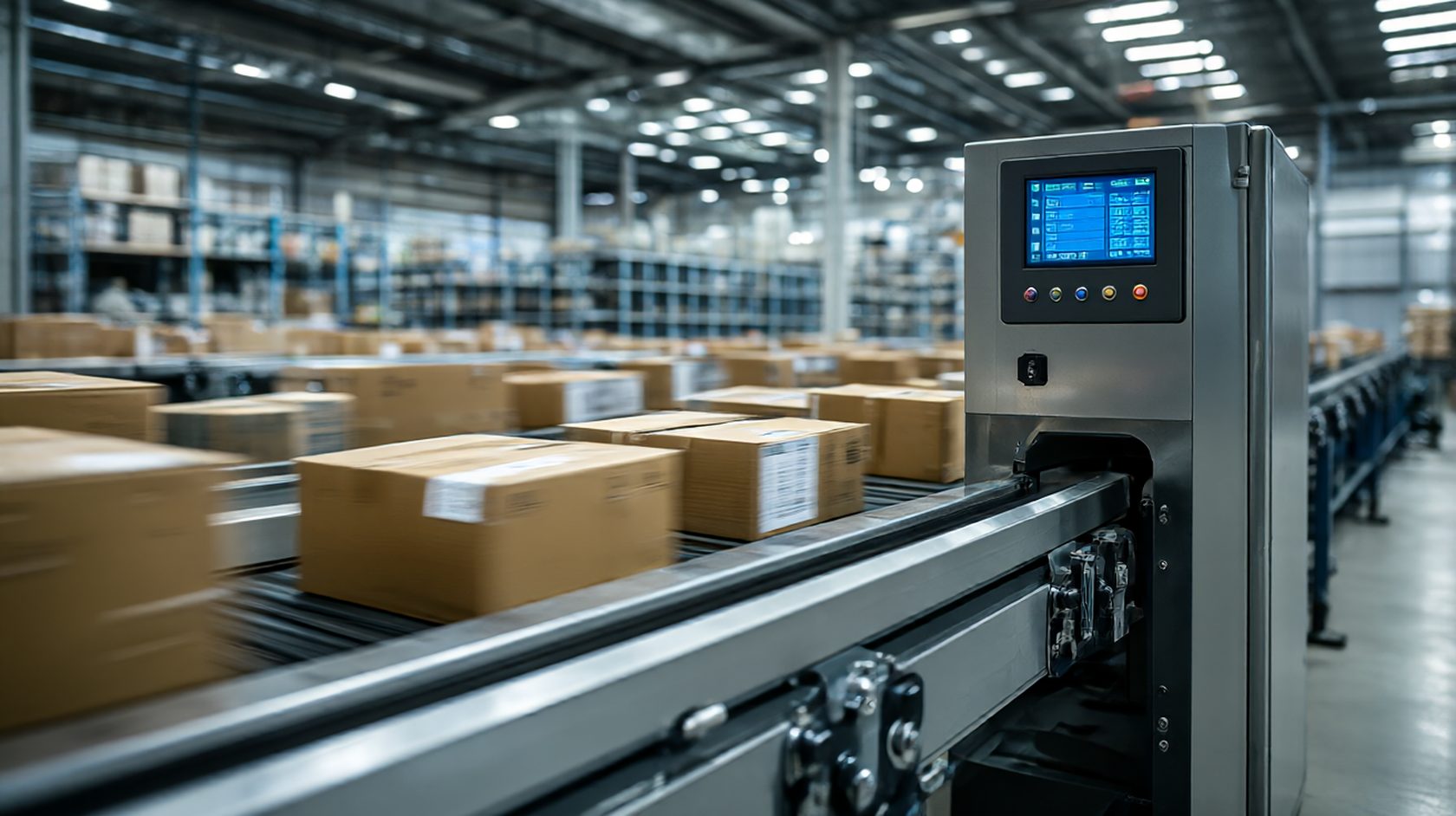
Sortation throughput: why the items-per-hour number lies
Every sorter datasheet has a rate on it, and almost no installation reaches that rate. The gap is not marketing: it is the difference between a machine's peak and a line's sustained output.
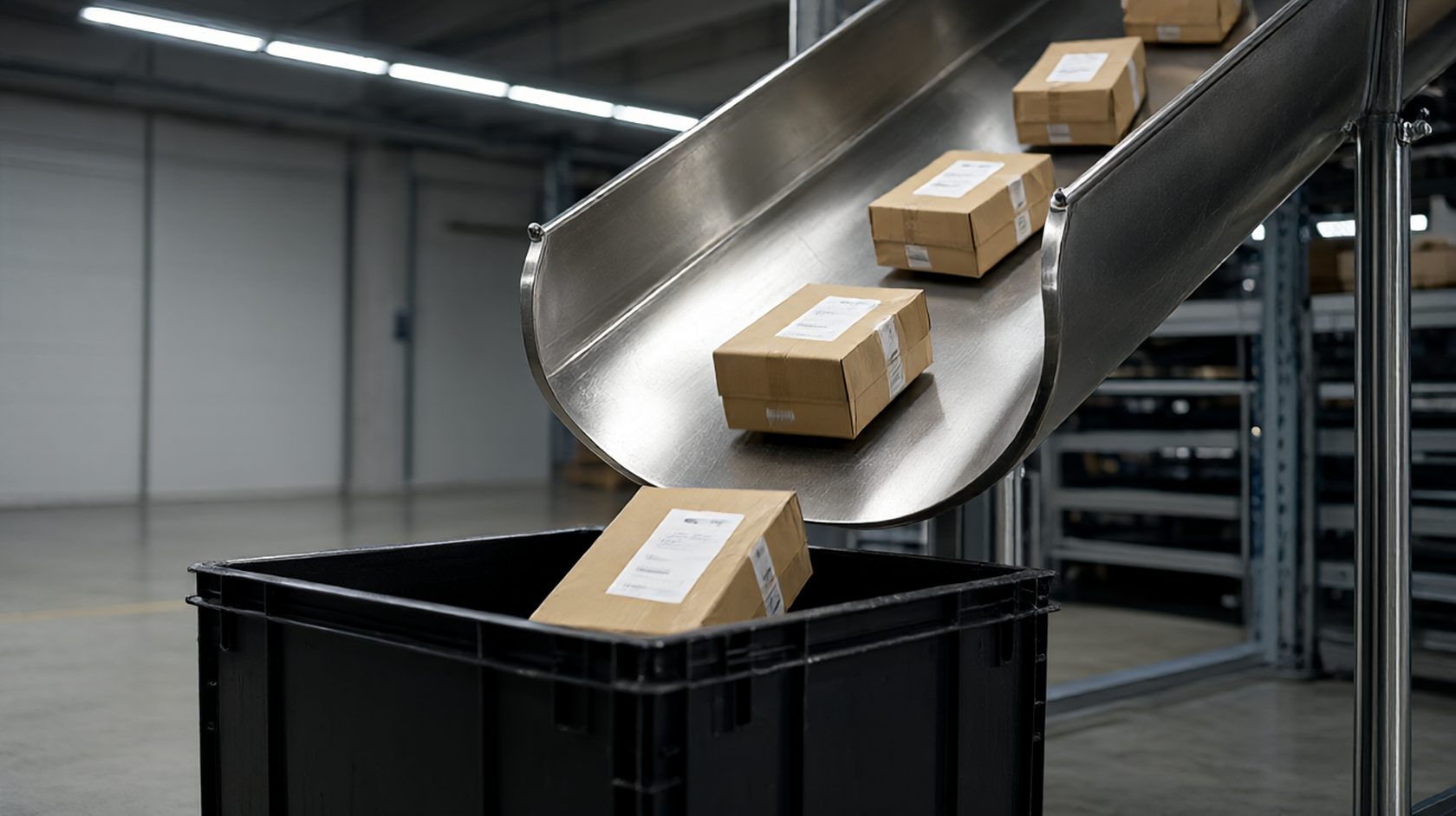
Chute design and recirculation: where sorters lose time
The sorter discharges, the chute receives, and the difference between a good chute and a bad one is measured in parcels that come back around.
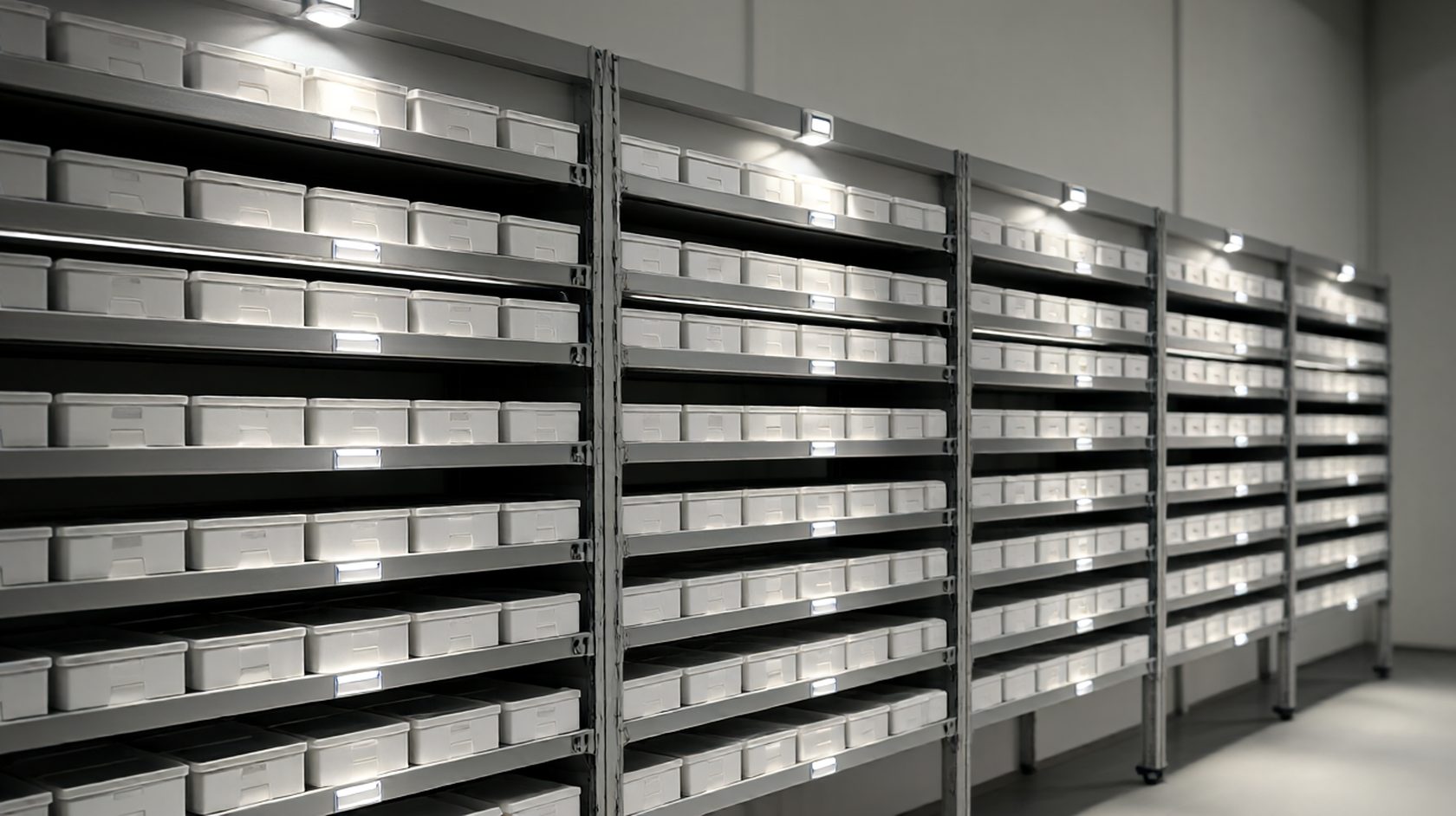
3D put walls: shelves that multiply a wall's order count
A two-dimensional put wall holds one cubby per position. A 3D wall stacks cubbies on shelves, and the cost is a pick path that has to be navigated rather than scanned.
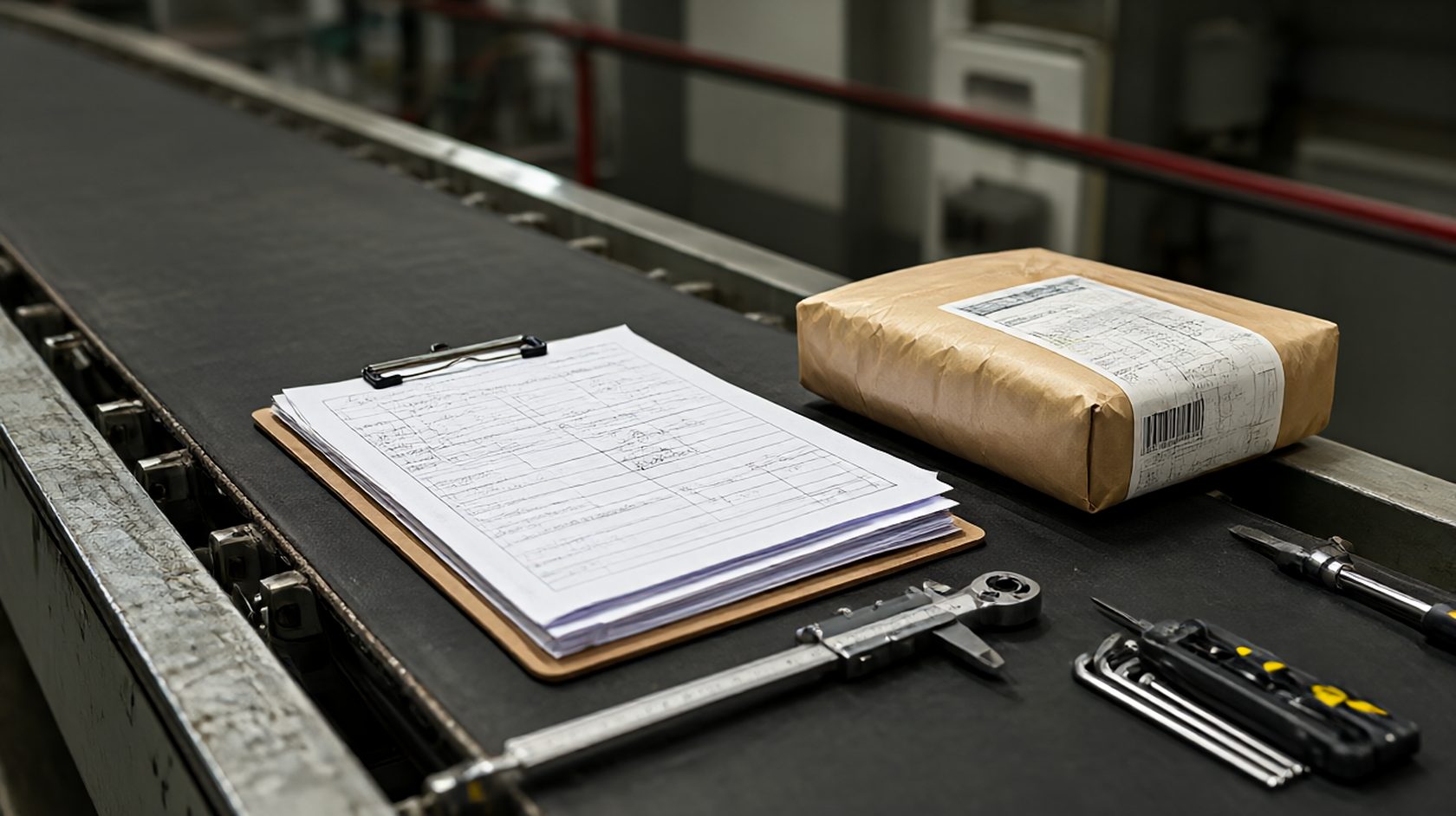
Commissioning a sorter: the tests that decide acceptance
A sorter is accepted on numbers, and most of those numbers are measured in a week when the line is new and the operators are learning. The test plan is what makes that week count.